
Android has been through a lot these past several years. Let’s take a look at past and present developments in the Android space to get an idea of what the future holds for the Android ecosystem.
Android Fragmentation
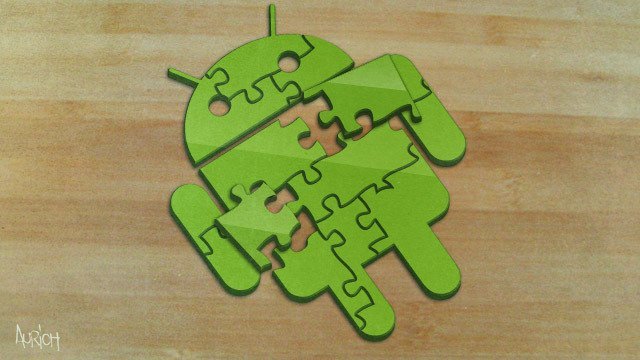
From the very beginning of Android, fragmentation was a problem, and it still is today. Fragmentation describes how the population of Android devices out in the wild are running a wide variety of older version of Android, or event different variants of Android.
By variants of Android, I mean the ROMs developed by phone manufacturers and carriers that are derived from Android, but have been customized to their own liking. Some examples of these are Amazon’s Kindle Fire and Fire Phone, Samsung’s Touchwiz, HTC’s Sense, and many others.
Those examples really only speak to the mainstream Android devices from manufactures and carriers. Then, there’s the whole world of Custom ROMs.
Custom ROMs
I’m a big fan of custom ROMs. Since the beginning of my experience with Android, I’ve always favored the custom ROMs found on the XDA forums over the outdated, bloated version of Android that came stock on phones.
Once I got my phone rooted, unlocked the bootloader, and flashed a custom recovery, my options were opened up to a whole new world of ROMs and mods that were available to me so I could tinker with my phone to get all the features I could ever want.
The community of Android modders has grown and some big names began to emerge and gain quite a following, like CyanogenMod, ParanoidAndroid, AOKP, PAC, etc.
Google Nexus
Google’s solution to Android Fragmentation was the Nexus line. This was a new line of Android phones and tablets where the production was controlled by Google, the devices were sold directly by Google unlocked, and the software was updated by Google.

I believe that Google’s Nexus line was the best thing Google could have done, because it raised the bar with OEMs in regards to quality and user experience, it gave users a nice clean Google experience device that gets updates right away, and brought more unity to the ecosystem.
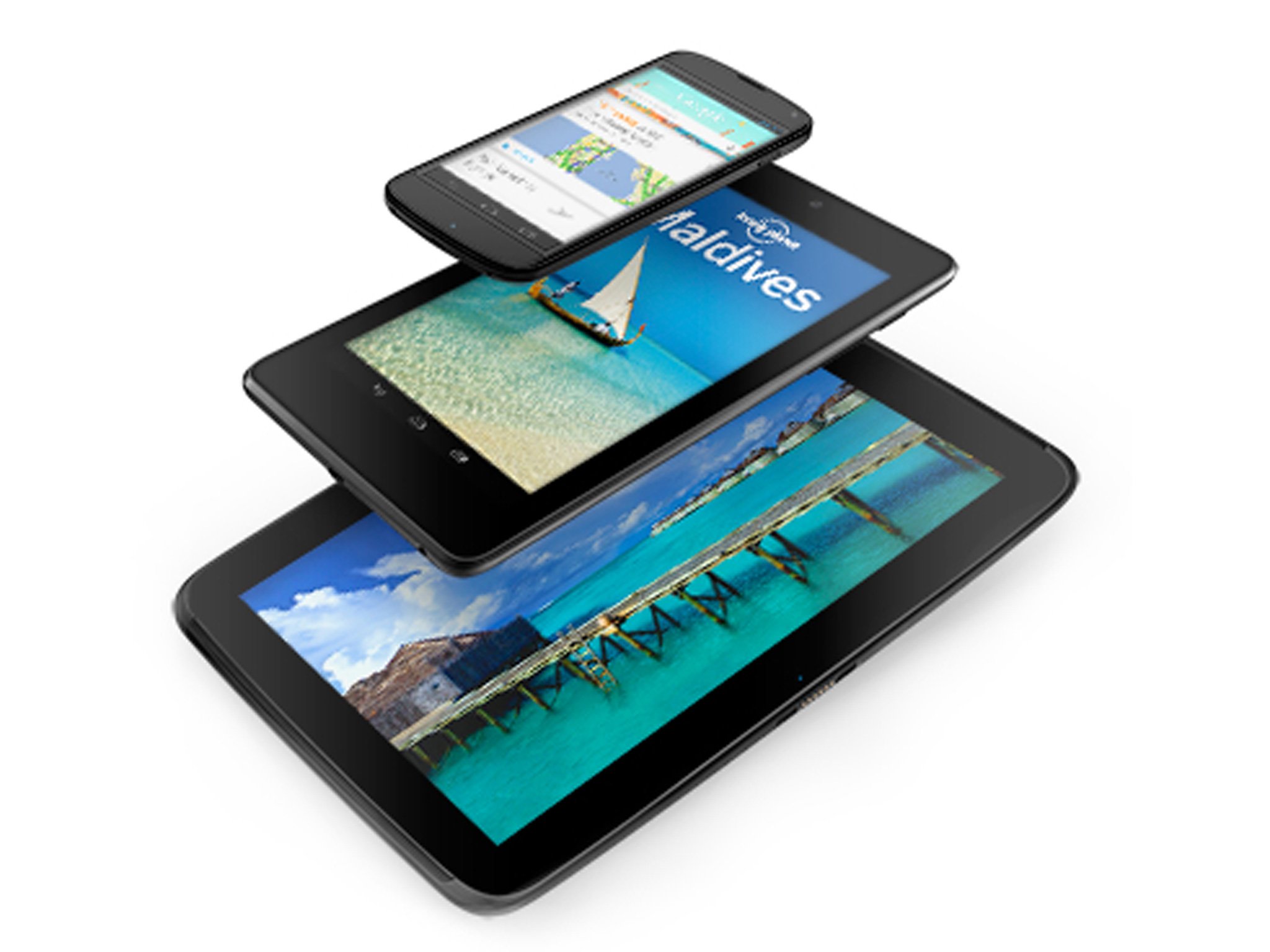
Even the XDA community started migrating over to Nexus because it gave them exactly what they were looking for in custom ROMs without any of the hacking and modding.
OnePlus One
Then, in early 2014, a new company called OnePlus entered the Android phone market and claimed to disrupt and overthrow the current kings with its “flagship killer” handset, the OnePlus One.
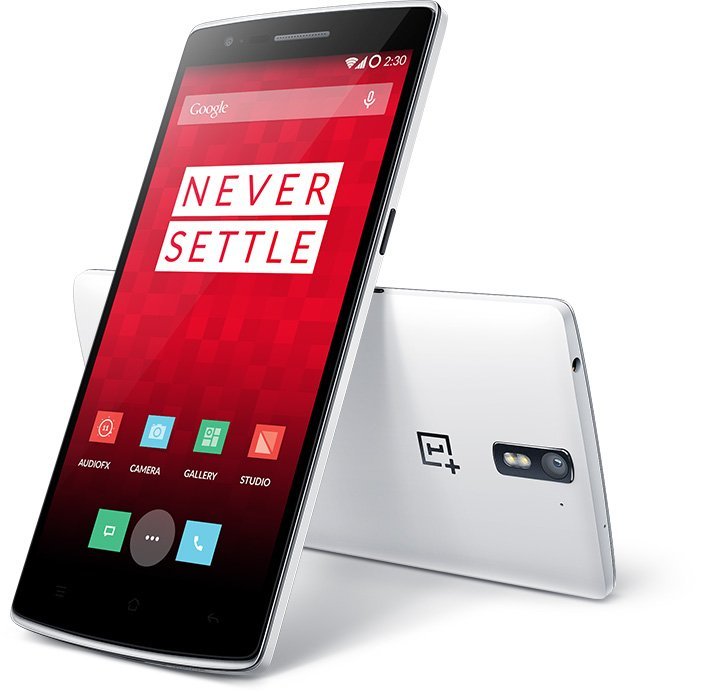
OnePlus did something that no other Android phone maker had done. Instead of spending tons of money on marketing campaigns to advertise its device, OnePlus focused its resources on making the best phone possible. Then it only offered the phone through its invite system which did two things. It created a hype around the device, and it helped control its production costs by having planned production and fulfillment based on the demand of requested invites.

I requested an invite in December 2014, and finally got the invite and purchased the phone in February 2015. I have to say, it is a fantastic phone with really top of the line hardware specs with a really nice experience. It is also the absolute best value at only $300 or $350 for an unlocked flagship phone, especially considering big price jump that came with the release of the Nexus 6 and Nexus 9 in late 2014.
One of the best features of the OnePlus One is that it came stock with CyanogenMod, most people’s favorite custom ROM.
Microsoft Invests in CyanogenMod
However, recent news has shown CyanogenMod’s relationship with OnePlus is coming to an end. Apparently, CyanogenMod already had an exclusive partnership with another handset company in selling in India, preventing OnePlus from selling in India as long as it had CyanogenMod on it.
Plus, CyanogenMod has been increasing its opposition to Google due to the closed source development around its Google products and the Nexus line.
That may have had something to do with the fact that Microsoft is taking part in a $70 million investment round into CyanogenMod. Will CyanogenMod move their OS away from Google services and towards Microsoft services, yet still be an Android ROM? Microsoft has been developing a lot in the Android app ecosystem. Microsoft knows that their Windows Phone platform is a failure, and they seem to be investing in the Android and iOS ecosystems as they position themselves as a services company rather than a product company. It will be interesting to see what will come of their partnership with CyanogenMod and what that means for Android and Google.
ParanoidAndroid Works on OxygenOS
Due to fact that OnePlus is cutting ties with CyanogenMod, OnePlus has been touting its new ROM called OxygenOS.

I personally was worried about what OxygenOS would be like, but then was reassured that it would something good after hearing that the ParanoidAndroid team is working on OxygenOS.

The Future of Android
So, where does all of this put us as we consider the future of Android? Since Android, or more specifically AOSP (Android Open Source Project), is open source software that anyone can take and do what they please, fragmentation will always continue to some degree.
However, Google has made great strides in the past with the Nexus line, especially with the Nexus 4, Nexus 5, and Nexus 7 that made record sales. However, I’m concerned about the future of Nexus since the Nexus 6 and Nexus 9 were priced so incredibly high.
Unless Google goes back to offering the best value with the Nexus line, I’m seeing OnePlus starting to take a big piece of that pie. Meanwhile, big mainstream players like Samsung and HTC will continue to pump out new phones and people will keep on buying them, but Android version fragmentation will continue to be an issue with those since they have no incentive to upgrade old phones when they really want you to just buy new one.
I imagine OnePlus could have that same mentality some day, but so far they have been very good at updating their software since they are still heavily dependent on keeping their customers happy so they recommend OnePlus to their friends.
Where CyanogenMod is going and what part Microsoft is playing is still unclear, but is very interesting. Could it bring something that takes advantage of AOSP, but is disruptive for Google? Would doing so jeopardize the future of AOSP?